
Whoa! I saw one of these in my wallet and thought, huh — that’s neat. Short, flat, and feels like a credit card. It’s unobtrusive. At first glance it looks simple, but there’s thoughtful engineering underneath; a tiny secure chip, NFC radio, and a design that treats your private key like a small, valuable physical object.
Seriously? Yep. Card-based hardware wallets have matured. They’re not toys. They give you many of the security guarantees of a cold wallet but in a form factor that’s easy to carry and use—especially for people who hate fiddly dongles or tiny screens. My instinct said this could be a good fit for non-techy users, and after hands-on time it proved true in most cases, though there are trade-offs.
Here’s the thing. Card wallets trade some traditional recovery conventions for convenience and tamper-resistant hardware. That matters. If you want a full-featured deep-control experience, a multisig desktop setup might still be preferable. But for everyday secure custody, a smart card is elegant.
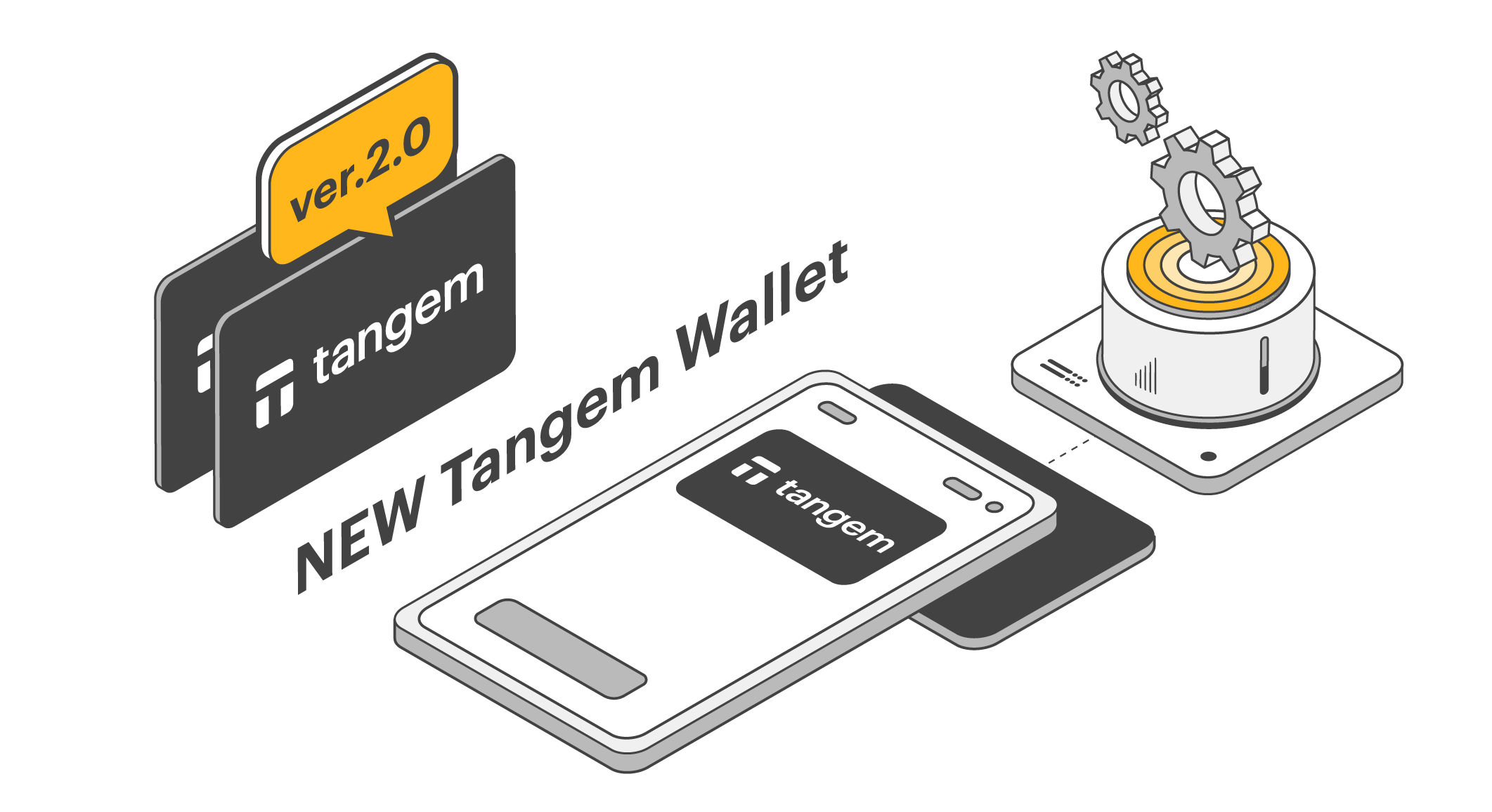
How card wallets work, simply
Short version: the private key is generated and stored inside a secure element on the card. You tap the card to your phone. The phone sends a transaction request. The card signs it and sends the signed transaction back. Your key never leaves the chip. That’s the core security win.
Medium detail: the secure element is designed to resist hardware attacks and side-channel attempts. It enforces PINs, sometimes rate-limits attempts, and physically isolates the key from external access. The NFC link is just a transport layer; without the card the signature can’t happen, so possession matters. On the other hand, possession can be lost or stolen—so physical security is still a priority.
Longer thought: this model minimizes attack surface, because you remove the need for mnemonic phrases typed into phones or computers, and you avoid fragile backup files sitting in cloud storage—though that safety comes with different risks and setup choices that you should understand before trusting one card with large sums.
What Tangem-style cards get right
Check this out—many card wallets prioritize simplicity. The tangem wallet ecosystem, for example, focuses on an experience where the card is the custody: you use it like a physical key. No seed phrases shown, no copying of private keys. That reduces human error, which is the number-one cause of lost crypto in my experience.
They’re fast to use. Tap. Sign. Send. For day-to-day transactions—paying a vendor, moving funds between exchanges, or simply holding assets—this feels natural. The card can be tucked with other cards, carried in a wallet, or stored in a safe. It’s not clunky. It’s also durable: many cards are rated for water and scratch resistance, and the secure element is designed for long operational life.
On a technical note, these cards support multiple chains and token standards via the mobile app. That integration is where compatibility matters—make sure the app supports the coins you care about. Integration with popular wallets and apps improves flexibility, though sometimes there are limits (e.g., new chains may take time to support).
Trade-offs and gotchas
I’m biased, but this part bugs me: there is no one-size-fits-all for backup. Some card wallets avoid mnemonic phrases entirely, which is intentional. That’s safer for many people, but if you lose the card and there’s no backup, you could lose access permanently. So you must understand the vendor’s recovery options.
On one hand, eliminating seed phrases prevents disastrous copy-paste mistakes or phishing. On the other hand, it places more value on the physical card and on following the vendor’s recovery protocol precisely. So read that fine print. Seriously — really read it.
Also, consider supply chain and authenticity. Scammers can mimic packaging. Buy from trusted channels only. Some card vendors include cryptographic attestation that proves the card’s secure element is genuine; verify that attestation when possible. If you skip that, you increase risk.
Practical tips for everyday use
Keep the card physically secure. A safe, a lockbox, or a trusted person are all reasonable options depending on the sum you hold. Don’t store backup photos of QR codes in cloud photos. That’s just asking for trouble.
Get a backup plan. If your chosen card supports a backup card or recovery service, understand the steps clearly before you need them. Test the recovery flow with a small amount first. I’m not 100% sure how every product handles it, so verify for your specific card and app.
Use a PIN. Enable any available PIN or biometric lock on the accompanying app. Make it something you can remember but not something easily guessed. If the card supports rate-limiting for failed PIN attempts, that’s a plus.
Update the app, but be cautious. App updates can add coin support and security fixes. However, firmware updates for the card are less common and often deliberate—follow vendor guidance when applying firmware updates, and avoid unverified third-party apps.
When a card wallet is the right choice
If you value portability and ease-of-use, and you prefer not to manage mnemonic phrases, a card is an excellent fit. It’s great for travelers who want a low-profile hardware key, for parents gifting crypto securely, and for users who simply want a secure, minimal daily-driver wallet.
If you need advanced multisig, large institutional custody workflows, or complete control over seed phrases for complex recovery strategies, you might pair a card with other solutions or choose a different hardware model that better fits those needs.
FAQ
Q: Can someone steal my crypto by cloning the card?
A: No—not in the usual sense. Secure elements are designed to resist cloning. A cloned surface-level label would be meaningless without the chip and private key. That said, physical theft of the original card means an attacker could attempt PIN bypasses or social-engineer access, so physical security and PINs remain important.
Q: What if the card breaks or is lost?
A: It depends on the vendor’s recovery mechanisms. Some vendors offer backup cards or custodial recovery options; others rely on you holding extra cards as duplicates. Before trusting any large amount, confirm and test your backup plan with a small transfer.
Q: Is NFC less secure than USB?
A: NFC is just a transport. Security depends on the secure element. With proper design, NFC can be as secure as USB for signing transactions. The advantage is convenience; the disadvantage is you must trust the card’s on-chip protections and the app’s transaction display integrity.